Dental Implants in St. Augustine: Cost, Process & What to Expect
Dental implants are the gold-standard solution for replacing missing teeth, consisting of a titanium post placed in the jawbone, an abutment, and a custom crown on top. The cost of a dental implant varies based on how many teeth are being replaced, whether preliminary procedures like bone grafting are needed, and the materials used. While implants cost more upfront than bridges or dentures, they last far longer—often decades—and protect jawbone health, making them highly cost-effective over time. An exam is required to determine your specific treatment plan and price.
Implants are a long-term investment that replaces missing teeth permanently, looks and functions like natural teeth, and preserves the jawbone—advantages that other options can’t fully match.
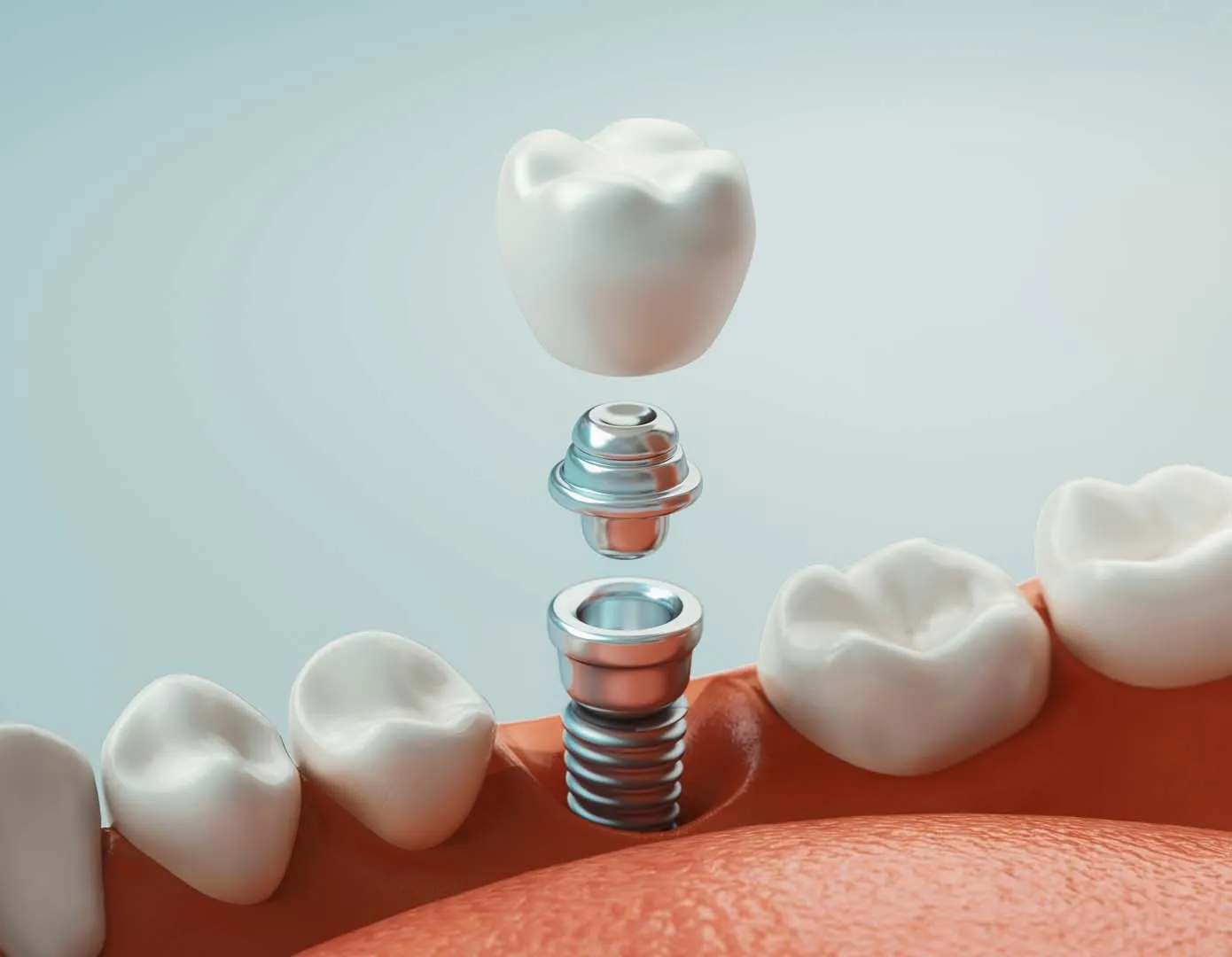
If you’re missing one or more teeth, dental implants are widely considered the best long-term solution available—but understandably, cost and the process are the first things most people want to understand. This guide walks through what implants are, what drives their cost, what the treatment journey looks like, and how they compare to other tooth-replacement options.
What Are Dental Implants?
A dental implant is a small, biocompatible titanium post that’s surgically placed into the jawbone to act as an artificial tooth root. Once it fuses with the bone—a process called osseointegration—it provides a rock-solid foundation for a replacement tooth. A connector piece called an abutment is attached to the post, and a custom-made crown is placed on top, completing a replacement that looks, feels, and functions like a natural tooth.
Implants can replace a single tooth, several teeth, or even secure a full arch of teeth, making them a versatile solution for a wide range of situations.
What Affects the Cost of Dental Implants?
There’s no single flat price for dental implants because every case is different. The main factors that influence cost include:
Number of Teeth Being Replaced
Replacing a single tooth costs less than replacing multiple teeth or restoring a full arch. For patients missing many teeth, implant-supported solutions can be very efficient, using a few strategically placed implants to anchor a bridge or denture.
Preliminary Procedures
Some patients need preparatory treatment before implant placement—most commonly bone grafting to rebuild jawbone that has deteriorated after tooth loss. If needed, these procedures add to the overall cost but are essential for long-term success.
Materials and Restoration
The crown or prosthetic placed on the implant is custom-made from high-quality materials matched to your natural teeth. The complexity of the final restoration affects the price.
Your Individual Needs
Factors like your oral health, the location of the implant, and whether any extractions are required all play a role. The only way to get an accurate price is a thorough evaluation, where we map out your personalized treatment plan. During your consultation, we’ll provide a clear, transparent estimate.
Are Dental Implants Worth the Cost?
While implants have a higher upfront cost than bridges or dentures, they offer unmatched long-term value for several reasons:
- Longevity — with proper care, implants can last decades, often a lifetime, while bridges and dentures typically need replacement every 5–10 years.
- Jawbone preservation — implants are the only tooth-replacement option that stimulates the jawbone, preventing the bone loss and facial changes that follow missing teeth.
- Function and comfort — implants restore nearly full chewing power and never slip, unlike removable dentures.
- No impact on neighboring teeth — unlike a traditional bridge, implants don’t require altering healthy adjacent teeth.
When you factor in durability and health benefits, many patients find implants to be the most cost-effective choice over the long run.
The Dental Implant Process, Step by Step
Getting a dental implant is a multi-stage process that unfolds over several months, mostly to allow for natural healing. Here’s what to expect:
- Consultation and planning — we examine your mouth, take digital scans, and create a customized treatment plan.
- Implant placement — the titanium post is surgically placed into the jawbone, typically under local anesthesia with sedation options available for comfort.
- Healing and osseointegration — over several months, the implant fuses with the bone to create a stable foundation.
- Abutment and crown — once healed, the abutment and custom crown are attached, completing your new tooth.
Though the timeline requires patience, the result is a permanent, natural-looking replacement built to last.
How Implants Compare to Bridges and Dentures
Dental implants aren’t the only way to replace missing teeth. Bridges and dentures remain good options in certain situations—particularly when budget or health factors make implants less suitable. Bridges are fixed and quicker to place but rely on neighboring teeth for support. Dentures are the most affordable and least invasive but are removable and don’t prevent bone loss. Implants cost more initially but offer the most permanent, lifelike, and health-preserving result. The best choice depends on your priorities, which we’ll discuss openly during your visit.
Dental Implants in St. Augustine
Dental Remedies provides dental implants and complete surgical solutions for patients across St. Augustine, St. Augustine Beach, Ponte Vedra, and the surrounding communities we serve. Located on US-1 near Flagler Hospital, we combine advanced technology with a comfortable, patient-first approach to restore your smile for the long term.
Frequently Asked Questions
How much do dental implants cost in St. Augustine?
Cost varies based on how many teeth you’re replacing, whether preliminary procedures like bone grafting are needed, and the materials used. Because every case is unique, we provide an accurate, transparent estimate after a thorough evaluation—and can discuss financing options to make treatment more manageable.
How long do dental implants last?
With proper care, dental implants can last decades—often a lifetime. The crown on top may eventually need replacement after many years of wear, but the implant post itself is designed to be permanent.
Does insurance cover dental implants?
Coverage varies by plan. Some dental insurance contributes toward part of the implant process, such as the crown or extractions. We’ll help you review your benefits and understand your options before treatment.
Is getting a dental implant painful?
Implant placement is performed under local anesthesia, and most patients report less discomfort than expected. Sedation options are available, and any post-procedure soreness is typically mild and manageable with standard pain relief.
Am I a candidate for dental implants?
Most people in good general and oral health are candidates. Adequate jawbone is important, though bone grafting can rebuild areas where bone has been lost. The best way to know is a consultation and evaluation.
Ready to restore your smile?
Schedule a dental implant consultation at Dental Remedies in St. Augustine for a personalized evaluation and quote. Request an appointment or call (904) 440-0200 today.